The idea is extremely simple. You just memorize the order that colors appear. That is it. Sounds easy, right? That is what I thought too.
If this event only used basic colors like red, blue, green, yellow, purple, orange, and so on, it probably would be pretty simple. Most people could create images for those colors fairly easily.
But once you start using different shades of colors, the difficulty jumps like crazy.
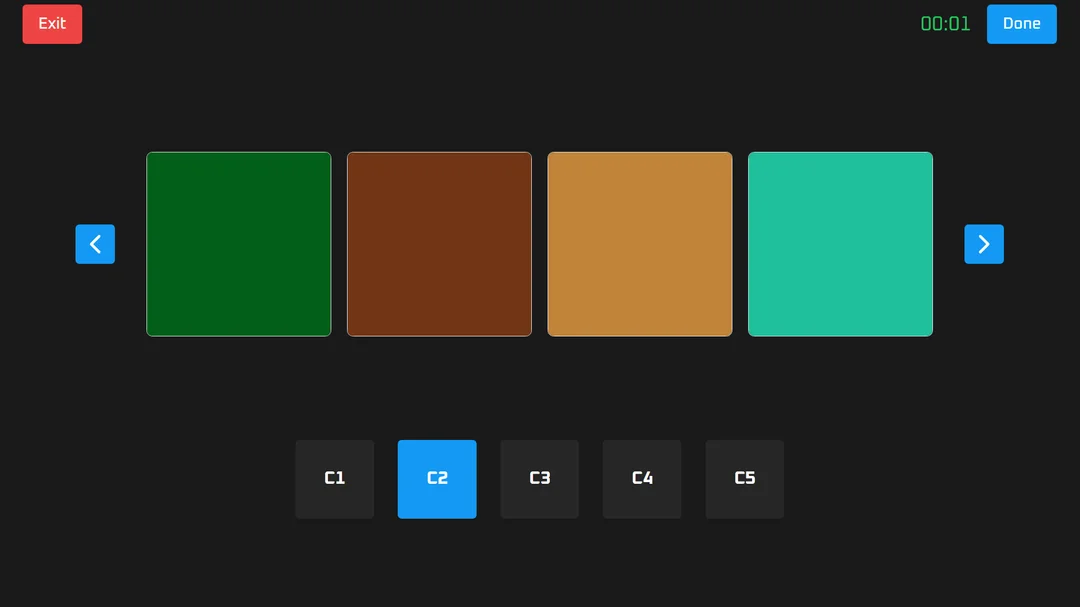
The hardest part is not just memorizing the colors. The hardest part is that the colors almost feel like they change depending on what they are next to.
During memorization, you might see a small group of colors together, and your brain naturally judges each color based on the colors around it. One color might look darker because it is next to a lighter color. Another might look brighter because it is next to a duller one.
Then recall starts. Now all the colors are mixed into a color bank, sitting next to completely different colors. Suddenly, the color you thought you memorized does not look the same anymore.
You start questioning yourself:
“Wait, is that the same one?”
“Was it this shade?”
“Was it slightly darker?”
“Did I memorize the wrong color?”
That is what makes this event so crazy to me. The information is technically the same, but your perception of it changes because the surrounding colors changed.
And just to be clear, the similar colors are actually different. I used some math to make sure there is a visible difference between the colors, so it is not just random duplicate colors being thrown in.
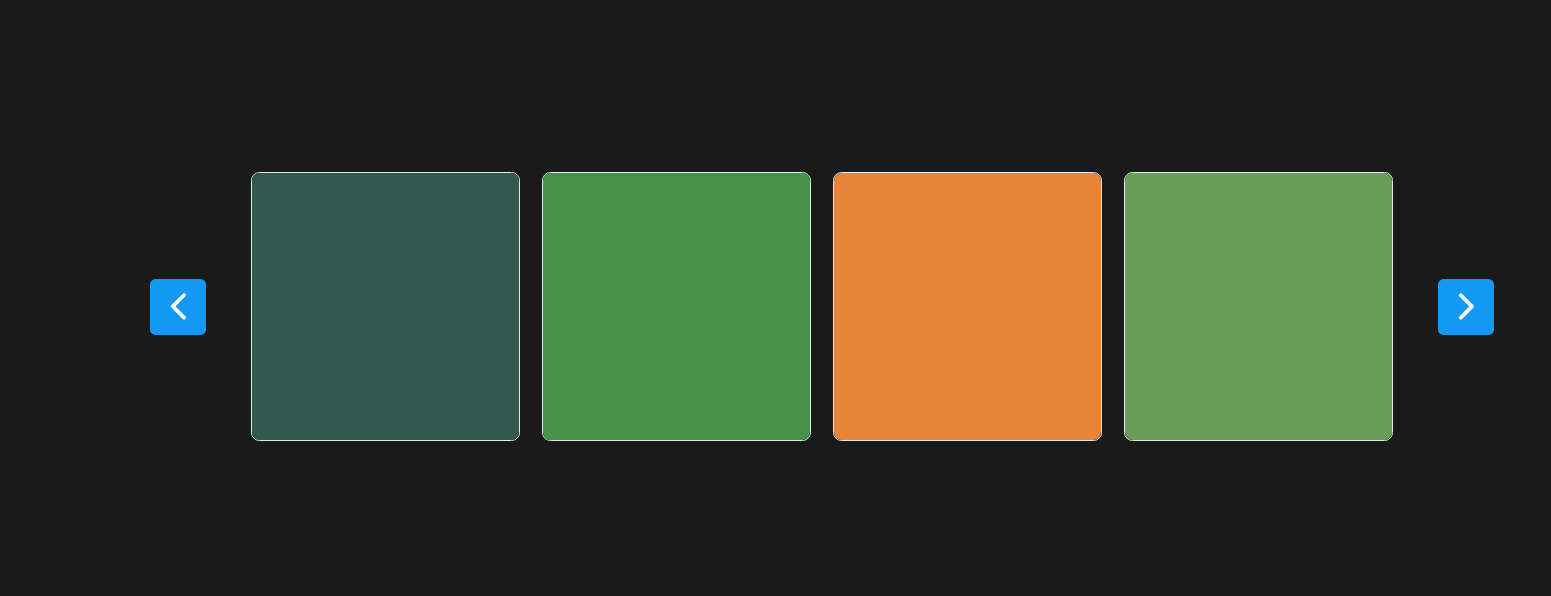
I have memorized abstract images, cow patterns, books, keys that go to doors, and plenty of other weird information. But colors might honestly be the hardest information I have ever tried to memorize.
With most memory events, even if the information is abstract, the target still feels stable. An image is an image. A word is a word. A number is a number.
But with this event, the color can feel different between memorization and recall even though it is the exact same color. That completely messes with my normal strategy.
If I only memorize a few colors at a time, I do not know how those shades compare to all the other shades in the trial. I might call one color “dark blue,” but later realize there were three other blues that were darker, lighter, or only slightly different.
But if I try to study all the colors first, that still does not fully solve it, because once recall starts, the colors are mixed up and sitting next to different colors anyway. So now I am trying to figure out how to create a reliable system for something that changes based on context.
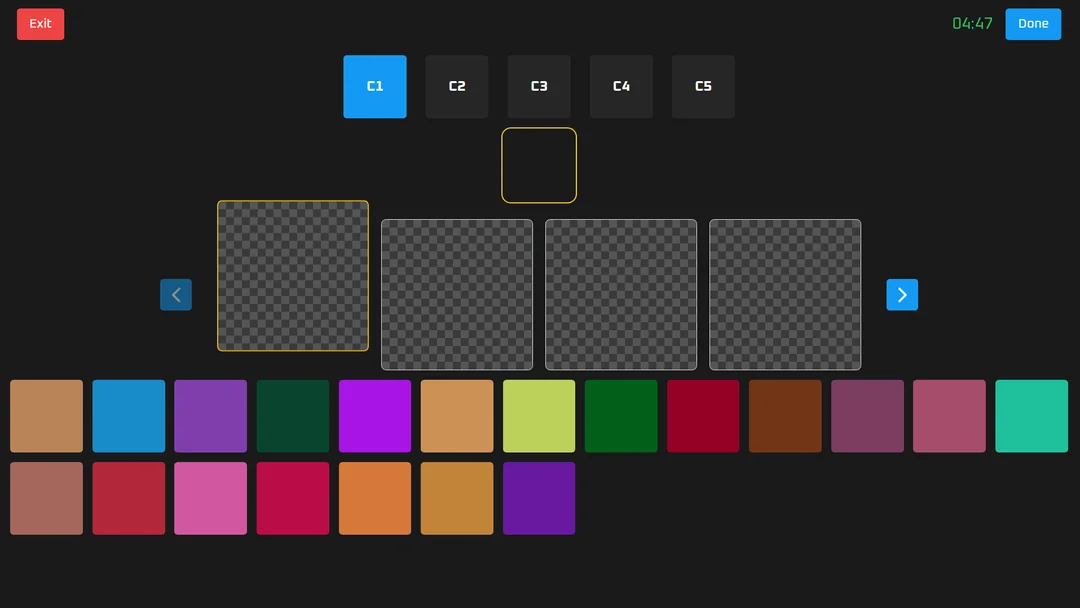
With a small number of colors, I can kind of brute force it. I can make images for colors like light blue, dark green, pale pink, burnt orange, and so on. But once the amount gets higher, everything starts breaking down.
The comparisons get confusing. The recall bank makes the colors look different. And suddenly I am questioning colors I felt confident about during memorization.
That is why I wanted to post this here. I am curious how other people would approach this.
Would you name every shade? Would you group colors by brightness, saturation, or temperature? Would you build a full color system? Would you anchor each color to a real world object? Or would you use a totally different strategy?
You can try the event here:
https://blitzmemory.com/app/event/colors/standard
I would genuinely love to hear how other people would approach this. Right now, I can kind of brute force smaller trials, but once more shades are added, my normal memory methods start falling apart. Let me know what strategy you would use, because I want to figure out how to beat this event haha.